
Welcome to the leafy green revolution, where cookbooks filled with plant-based creations are sprouting up faster than a chia pet! In a world where kale reigns supreme and quinoa has become a household name, these culinary tomes are not just about avoiding meat; they’re about embracing a vibrant array of flavors that dance on your palate. Whether you’re a seasoned vegan or a curious omnivore, plant-based cookbooks offer a ticket to a garden of gastronomical delights, packed with recipes that are as nutritious as they are delicious.
But what makes these cookbooks the go-to guide for anyone wanting to explore the world of plants on their plates? With a growing trend towards healthier living, these books are here to help you navigate your way through the sea of greens, showcasing popular authors who are transforming how we think about food. From scrumptious appetizers to decadent desserts, each page turns into a colorful celebration of what our planet has to offer.
Overview of Plant-Based Cookbooks
The plant-based diet has transformed from niche to norm—like that awkward cousin who suddenly became the life of the party. As more people embrace this green revolution, plant-based cookbooks have become essential companions, guiding us through the vibrant world of flavorful, veggie-packed meals. These cookbooks are not just collections of recipes; they are the cheerleaders of a culinary lifestyle that promotes health, sustainability, and a dash of deliciousness!The rise in plant-based eating has led to an explosion of cookbooks authored by culinary wizards who turn humble vegetables into culinary masterpieces.
Renowned figures like Isa Chandra Moskowitz, known for her bold and innovative vegan dishes, and Yotam Ottolenghi, famed for his Middle Eastern-inspired plant-centric cuisine, have paved the way for home cooks everywhere. These authors contribute diverse flavors and techniques that inspire even the most devoted carnivores to reconsider their dining choices.
Choosing the Right Plant-Based Cookbook
Selecting the perfect plant-based cookbook can be as thrilling as finding a needle in a haystack—if that needle was made of kale and the haystack was filled with amazing, mouthwatering recipes. With a plethora of options available, understanding your personal dietary preferences and needs is crucial to curating your culinary library. Here are some factors to consider when choosing your next bestseller:
- Dietary Restrictions: Consider any allergies or specific dietary needs you might have, such as gluten-free or nut-free recipes. A cookbook that caters to these restrictions will be your best friend and culinary ally.
- Cooking Skill Level: If you’re a kitchen novice, look for cookbooks that provide straightforward instructions and helpful tips. On the other hand, seasoned chefs might enjoy more complex culinary adventures that challenge their skills.
- Meal Variety: Determine whether you want a cookbook focused on quick weeknight meals, extravagant dinner parties, or a mix of both. A well-rounded collection is like a buffet for your taste buds!
- Ingredient Accessibility: Choose a cookbook that uses ingredients you can easily find. If your local grocery store doesn’t carry jackfruit, you might want to save that recipe for a rainy day—or a trip to a specialty store.
- Cooking Style: Are you more of a throw-it-in-the-pan kind of cook or do you prefer gourmet presentations? There’s a cookbook out there that matches your style, ensuring you never have to settle for mediocrity in the kitchen.
The right plant-based cookbook can spark creativity and make cooking feel like an adventure rather than a chore. With the perfect guide in hand, you’ll be whipping up meals that not only please your palate but also nourish your body and soul.
Key Features of Plant-Based Cookbooks
Plant-based cookbooks have become the culinary holy grail for many, transforming humble veggies into gastronomic delights. These cookbooks are not just collections of recipes; they are vibrant adventures filled with mouthwatering dishes, nutritional wisdom, and a sprinkle of plant-based magic. From appetizers that kick off your meal with a bang to desserts that dance on your taste buds like a sugar plum fairy, let’s dive into the key features that make these books an essential companion in any kitchen.
Typical Structure and Organization
When flipping through the pages of a plant-based cookbook, you might find a well-organized layout that feels more like a treasure map than a simple recipe guide. Typically, these cookbooks are structured with distinct sections that cater to the various stages of a meal. The organization typically includes:
- Appetizers: Think of vibrant salads, zesty dips like hummus, or stuffed mushrooms that can make even the most die-hard carnivore reconsider their life choices.
- Main Courses: This section often showcases hearty dishes such as lentil shepherd’s pie, chickpea curry, or vegan lasagna that can give any meat dish a run for its money.
- Desserts: Sweet endings are reimagined with recipes for chocolate avocado mousse, banana ice cream, or coconut-based cheesecakes that scream indulgence without the guilt.
Unique Recipes and Their Preparation Methods
The creativity found in plant-based cookbooks knows no bounds, often featuring unique recipes that transform everyday ingredients into culinary masterpieces. For instance, one might stumble upon a recipe for jackfruit tacos—think pulled pork, but make it fruit! The preparation involves simmering the young jackfruit in a blend of spices until tender and then piling it into a corn tortilla, topped with fresh salsa.Another showstopper is the cauliflower buffalo wings—a favorite for game nights.
You simply coat cauliflower florets in batter, bake them until crispy, and toss them in spicy buffalo sauce. They’ll disappear faster than you can say “extra celery sticks, please!”
Nutritional Information and Meal Planning Tips
A hallmark of many plant-based cookbooks is the diligent inclusion of nutritional information alongside each recipe, informing readers about calorie counts, protein content, and even the health benefits of key ingredients. This empowers home cooks to make informed decisions about their meals.Additionally, many cookbooks provide practical tips for meal planning, helping individuals streamline their grocery shopping and maximize their kitchen efficiency.
This could range from weekly meal prep ideas to suggestions for ingredient substitutions, allowing flexibility without sacrificing flavor.
“Eating plants isn’t just good for you; it’s good for the planet!”
With these key features, plant-based cookbooks serve not only as a guide to delicious meals but also as a pathway to healthier living and culinary creativity.
Comparisons with Traditional Cookery Cookbooks
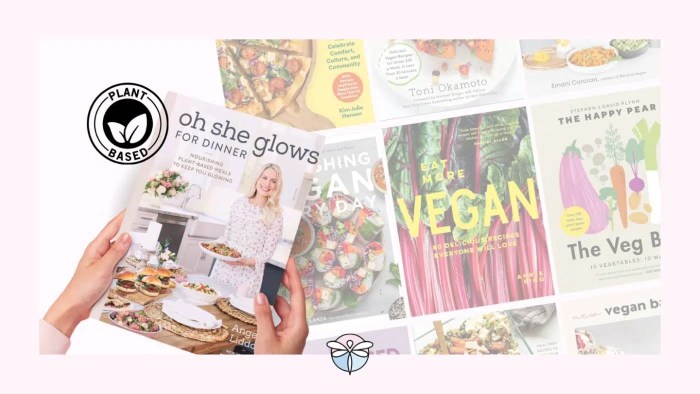
When diving into the world of plant-based cookbooks, one might wonder how they measure up against the classic traditional cookery tomes that have graced our kitchen counters for generations. While both styles aim to tantalize our taste buds, the themes and recipes often diverge in ways that reveal the delightful creativity of plant-based cuisine. The recipes in traditional cookery books often emphasize meat, dairy, and eggs as the star ingredients, luring cooks with promises of savory flavors and hearty meals.
In contrast, plant-based cookbooks shine a spotlight on fruits, vegetables, grains, nuts, and legumes, transforming everyday ingredients into mouthwatering dishes that even the most staunch carnivores can’t resist. One might think that plant-based cooking is all about tasteless salads and bland tofu, but these cookbooks are bursting with flavor and creativity.
The Myths and Realities of Plant-Based Cooking
Many misconceptions surround plant-based diets, often stemming from a lack of understanding or exposure. People might assume that plant-based meals are bland, boring, or even lacking in nutritional value. However, these cookbooks are filled with vibrant recipes that showcase the full spectrum of flavors and textures that plants have to offer.To debunk some common myths, consider the following facts taken from reputable plant-based cookbooks:
-
Myth: Plant-based meals lack protein.
Reality: Many plant-based ingredients, such as lentils, chickpeas, and quinoa, are rich in protein, often surpassing that of traditional meat sources gram for gram.
-
Myth: Plant-based cooking is too complicated.
Reality: Many plant-based cookbooks offer simplified recipes that can be whipped up in under 30 minutes, making them perfect for busy schedules.
-
Myth: You must give up all your favorite foods.
Reality: Plant-based cookbooks are rife with creative adaptations of beloved dishes, from plant-based tacos to vegan cheesecakes, ensuring you won’t miss out on flavor.
Ingredient Usage in Plant-Based vs. Traditional Cookery
Understanding the differences in ingredient usage between plant-based and traditional cookery can be illuminating. Here’s a handy comparison table that highlights how these two culinary worlds utilize their ingredients.
| Ingredient Type | Plant-Based Cookbooks | Traditional Cookery Cookbooks |
|---|---|---|
| Proteins | Legumes, tofu, tempeh, seitan | Meat, poultry, fish, eggs |
| Dairy Alternatives | Nut milks, coconut yogurt, cashew cheese | Cow’s milk, cheese, cream, butter |
| Fats | Avocado, olive oil, coconut oil, nuts | Butter, lard, animal fats |
| Grains | Quinoa, farro, brown rice, oats | White rice, pasta, bread |
| Sweeteners | Maple syrup, agave, coconut sugar | Sugar, honey, corn syrup |
Last Recap
So, whether you’re looking to impress a dinner party with a zesty chickpea curry or simply wanting to spice up your weekday meals, plant-based cookbooks are your trusty sidekick. They not only provide mouthwatering recipes but also equip you with the knowledge to make informed dietary choices. So grab a cookbook, unleash your inner chef, and embark on a culinary adventure that’s bound to tantalize your taste buds and maybe even save a few rabbits along the way!
FAQ Explained
What is a plant-based cookbook?
A plant-based cookbook is a collection of recipes that focuses on ingredients derived from plants, emphasizing fruits, vegetables, grains, nuts, and legumes, often while avoiding animal products.
Are plant-based cookbooks only for vegans?
Nope! While they cater to vegans, anyone looking to add more plants to their diet can benefit from the delicious recipes and ideas found within.
Can I find quick recipes in plant-based cookbooks?
<pAbsolutely! Many plant-based cookbooks feature quick and easy recipes perfect for busy weeknights.
Do I have to give up all my favorite foods to follow a plant-based diet?
Not at all! Plant-based cooking includes creative adaptations of your favorite dishes, so you can enjoy them, just with a planty twist!
How do I choose the right plant-based cookbook for me?
Look for one that matches your taste preferences, dietary needs, and cooking skills. Reviews and sample recipes can also be helpful!


